
"Bolivian coffee export"
300 article(s) found

How does Bolivian coffee come from? how do Bolivian coffee beans grade?
Communication of professional baristas Please pay attention to the coffee workshop (Wechat official account cafe_style) the overall taste of Bolivian coffee is rich and balanced, in addition to the beautiful sour taste, there is also a light chocolate flavor, the smooth taste is more smooth, compared with the bitter taste is not obvious. The aftertaste of the coffee is very good, and the sweet taste in the mouth lingers after drinking it.

Bolivian Coffee tomorrow Sun plans to introduce which estates of Bolivian boutique coffee brands
Professional coffee knowledge exchange more coffee bean information please follow the coffee workshop (Wechat official account cafe_style) Bolivia Yungas Caranavi Sol de Manana Copacabana Julio Organic Bolivian coffee tomorrow sun plan Yongjia Scarabi Copabana town Julio small farmers batch organic certification flavor description: the first flavor is orange,

Introduction to the description of the flavor of fine coffee in Bolivian coffee producing area
The advantage of Bolivian coffee lies in its high altitude and excellent varieties of coffee, where the traditional Tibica and a small amount of Kaddura are highly valued in the world market. Bolivia is not a big coffee producer, but the excellent altitude and climatic conditions of the La Paz Mountains make the coffee produced here is of excellent quality. Bolivian boutique coffee is delicate, bright and sweet.

Bolivian coffee taste and flavor characteristics of Bolivian coffee
The exchange of professional baristas please pay attention to the coffee workshop (Wechat official account cafe_style) varieties: iron card producer: Cabana small farmer flavor: roasted nuts and almonds, oranges and pomelos are rich in coffee beans in South America, and Bolivia is no exception. The unique tropical rain forest environment in parts of Bolivia provides excellent natural conditions for the growth of organic coffee.

How is the Bolivian coffee bean market? which brand of Bolivian coffee is good?
For the exchange of professional baristas, please pay attention to the flavor of coffee workshop (Wechat official account cafe_style): dry aromas of roasted nuts and almonds, supple acidity of orange and white pomelo on the entrance, sweet caramel on the whole, smooth texture of firm fruit milk, cleanliness and balance, and attractive herbal aroma in finish. Bolivian coffee has a rich and unique aroma, regardless of

Does Bolivian coffee taste good? the method of making Bolivian coffee
The exchange of professional baristas please pay attention to the coffee workshop (Wechat official account cafe_style) varieties: iron card producer: Cabana small farmer flavor: roasted nuts and almonds, oranges and pomelos are rich in coffee beans in South America, and Bolivia is no exception. The unique tropical rain forest environment in parts of Bolivia provides excellent natural conditions for the growth of organic coffee.

Bolivian flavor describes which brand of Bolivian coffee is good.
Professional baristas Please pay attention to the Coffee Workshop (Wechat official account cafe_style) most of the coffee in Bolivia used to be of mediocre quality, but in recent years the production of boutique coffee has developed rapidly and there have been a lot of pretty good beans. In recent years, the COE (Cup of excellence) system, which was first implemented in Brazil, has gradually become popular, and Bolivia has also introduced this system.

Bolivian coffee hand data how to drink Bolivian coffee
For the exchange of professional baristas, please follow the coffee workshop (Wechat official account cafe_style) in Bolivia. 15g powder, medium grinding (small Fuji ghost tooth cutter 4 grinding), v60 filter cup, 88-89 degrees water temperature, 30g water injection for the first time, steaming for 27 seconds, water injection to 105g water cut off, wait for the powder bed water to drop to half and then water injection, slow water injection until 225g water, the end section is not
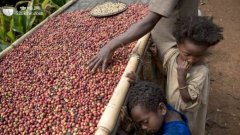
World boutique coffee producing area Bolivian coffee beans
In the past, coffee trees in Bolivia used to act as hedges and ornaments around the garden. Real commercial production began in the early 1950s. The great frost of 1957 seriously damaged Brazil's coffee industry, while Bolivia (Bolivia) benefited from it and developed rapidly. Bolivian coffee is grown at an altitude of 180,670 meters above sea level, including Allah.

Pagabana Manor Bolivian Coffee from Lake Titicaca American boutique coffee
The advantage of Bolivian coffee lies in its high altitude and excellent varieties of coffee, where the traditional Tibica and a small amount of Kaddura are highly valued in the world market. In the past, coffee trees in Bolivia used to act as hedges and ornaments around the garden. Real commercial production began in the early 1950s. The great frost in 1957 seriously damaged Pakistan.

Bolivian coffee producing areas introduce how to brew Bolivian coffee.
For the exchange of professional baristas, please follow the coffee workshop (Wechat official account cafe_style) in Bolivia. 15g powder, medium grinding (small Fuji ghost tooth cutter 4 grinding), v60 filter cup, 88-89 degrees water temperature, 30g water injection for the first time, steaming for 27 seconds, water injection to 105g water cut off, wait for the powder bed water to drop to half and then water injection, slow water injection until 225g water, the end section is not

A brief introduction to the treatment method of grinding degree and baking degree of fine coffee beans in Xuemai Manor with fruit aroma
The market for Bolivian coffee: the coffee grown in Bolivia, in which Arab washed coffee beans are exported to Germany and Sweden, is not the best taste today, and the advantage of Bolivian coffee with a bit of bitterness lies in its high altitude and excellent varieties of coffee, where the traditional Tibica and a small amount of Kaddura are highly valued in the world market. Bolivia is not coffee.

[3] A brief discussion on Bolivian coffee does Bolivian coffee have honey treatment? What's the flavor?
Professional coffee knowledge exchange more coffee bean information please follow the coffee workshop (Wechat official account cafe_style) from the roof of the world, the soul of the Andes Bolivia, is really love and hate. Bolivia is one of the five most diverse countries in the world. It is a landlocked country surrounded by and deeply affected by five countries. It has a population of more than 1000, accounting for the total population.

Bolivian Coffee Bean Flavor Bolivia Coffee Manor South America is rich in coffee beans, Bolivia
South America is rich in coffee beans, and Bolivia is no exception. The unique tropical rain forest environment in some parts of Bolivia provides excellent natural conditions for the growth of organic coffee. The aroma of Bolivian coffee is rich and unique, both the aroma of ground beans and the aroma of coffee are obviously rich, similar to the mixture of flower and fruit aroma, which is impressive.

Introduction to the characteristics of high-quality coffee beans in the manor producing area of Bolivian coffee varieties
Coffee was really commercially produced in Bolivia in the 1950s (at first coffee trees were planted around homes as fences), but the coffee industry grew rapidly in a very short time. This is partly due to the impact of the Brazilian frost in 1975, when Brazil's coffee industry was hit hard, and Bolivia's coffee industry took advantage of the opportunity to develop rapidly. The coffee is mellow.
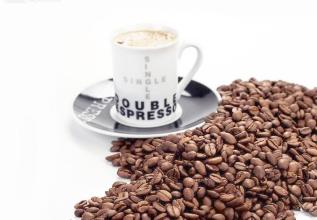
Bolivian Coffee Bean Flavor Bolivia Coffee Manor South America is rich in coffee beans, Bolivia
South America is rich in coffee beans, and Bolivia is no exception. The unique tropical rain forest environment in some parts of Bolivia provides excellent natural conditions for the growth of organic coffee. The aroma of Bolivian coffee is rich and unique, both the aroma of ground beans and the aroma of coffee are obviously rich, similar to the mixture of flower and fruit aroma, which is impressive.

Introduction to the treatment method of planting and Development History of Bolivian Coffee single Bean Flavor description
For professional baristas, please follow Coffee Workshop (Wechat cafe_style) BOLIVIA Bolivian population: 10461000 coffee-growing areas in Bolivia have never been significantly drawn, which is why different bakers use different naming conventions to describe different sources of coffee beans. YUNGAS about 95% of Bolivian coffee is produced here.

Bolivian Coffee characteristics Manor Flavor and taste introduce Bolivian Coffee Brand
The seat of the government and parliament, the largest city and political, economic and cultural center in the country, with a population of 2.7416 million. The city center, which is 3660 meters above sea level, is the highest seat of government in the world. La Paz was founded in 1548 and means the city of peace in Spanish. [6] the legal capital of Sucre, the seat of the Supreme Court, population 284000, 2790 meters above sea level. Founded in 1538, the city was formerly known as Chuquisaka. one

Sour Bolivian Coffee Flavor description Grinding degree Taste characteristics of Fine Coffee in producing area
The early Bolivian coffee was of low quality and the market was very poor. Usually the picked coffee fruit is bumped all the way to the processing plant after a simple peeling treatment. Due to the imperfect infrastructure, the traffic is underdeveloped. Coffee farmers have to overcome the rugged mountain road and transport the beans to the higher altitude area of La Paz for washing. If the coffee fruit can not be delivered to the processing in time

Malt Sweet Bolivian Coffee Grinding scale Variety Flavor description Taste Manor introduction
Traditional Typica species are mostly grown on high mountains with rich volcanic soil more than 2000 meters above sea level. The source of water for coffee treatment also comes from melted snow water in the mountains, which is completely pollution-free. Because of its high altitude and low temperature all the year round, the Typica species here is not as big as that of neighboring countries, but it has more diverse fragrances and fuller sweetness. Clean malt sweet, orange, red jujube, and lemon peel